Pay in installments of $7.45 with
 ,
,
 and
and

Shipping Estimate
USA
- USA
- CAN
- USA
- CAN
Ships within 48 hours · Estimated delivery Jul 1 - Jul 6
 Promo Codes Available:
For Your Every Summer RSVP, with Code: SUMMER15
Description
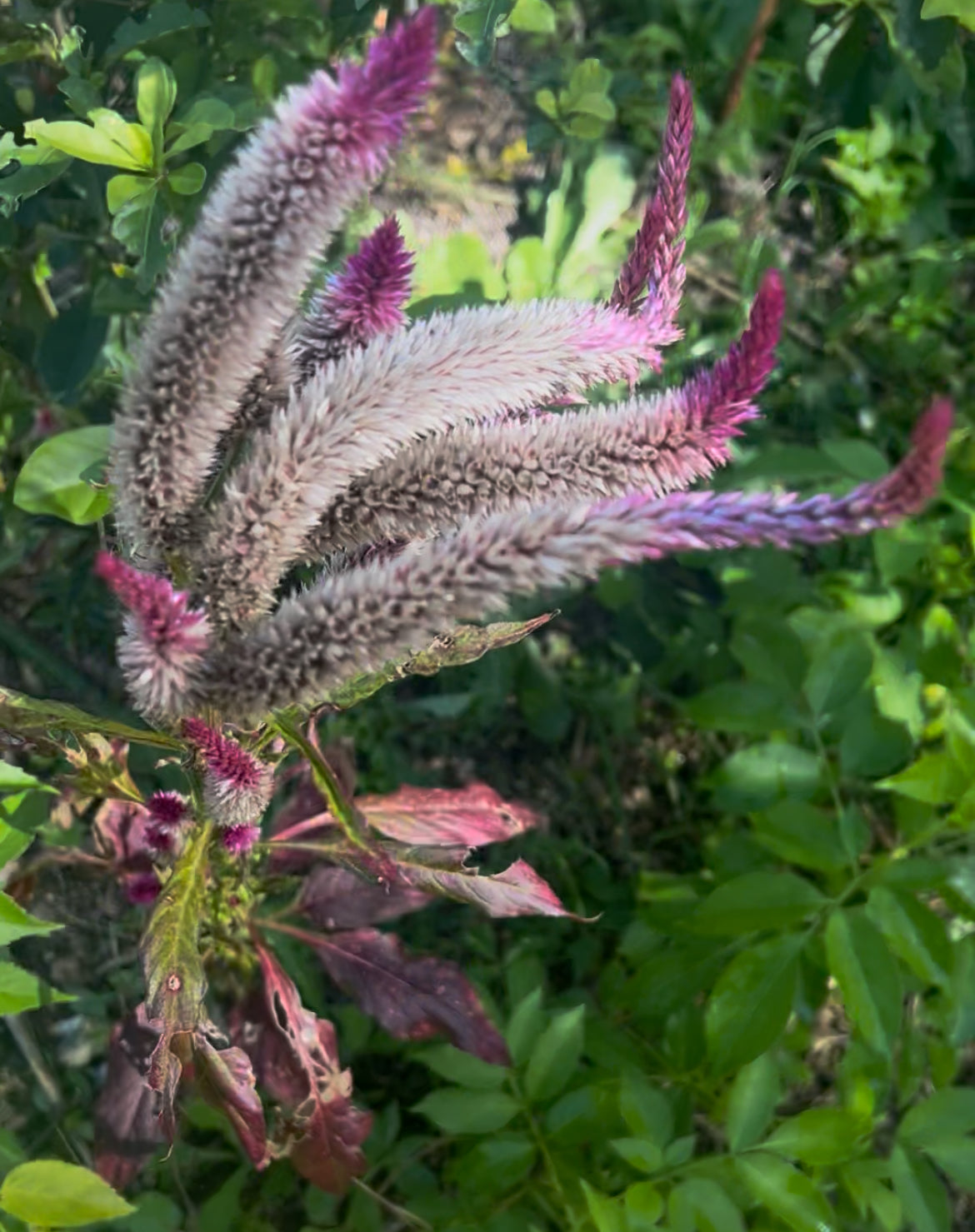
amaranth seeds to plant Amaranth seeds – What's Growing on Florida?Amaranth Seeds Florida's Ancient Superfood, Grown Organically Approximately 30 seeds per packet, harvested from organically grown amaranth (Amaranthus spp.) right here in Florida. Amaranth is one of the oldest cultivated plants on earth a sacred crop of the Aztecs, who called it huauhtli and considered it essential to life itself. It's easy to see why: amaranth is strikingly beautiful, incredibly nutritious, and one of the most productive and
Amaranth Seeds — Florida's Ancient Superfood, Grown Organically
Approximately 30 seeds per packet, harvested from organically grown amaranth (Amaranthus spp.) right here in Florida. Amaranth is one of the oldest cultivated plants on earth — a sacred crop of the Aztecs, who called it huauhtli and considered it essential to life itself. It's easy to see why: amaranth is strikingly beautiful, incredibly nutritious, and one of the most productive and resilient plants you can grow in a Florida garden. Both the seeds and the leaves are edible, making this a true whole-plant food crop.
Nutritional Powerhouse
Amaranth has earned its superfood status — here's what makes it exceptional:
- Complete plant protein: Unlike most plant foods, amaranth contains all nine essential amino acids, including lysine — an amino acid rarely found in grains. It's one of the few plant-based complete proteins.
- Protein-rich seeds: Amaranth seeds contain approximately 13–14% protein by weight — significantly more than wheat, rice, or corn.
- Rich in minerals: An excellent source of iron, magnesium, calcium, phosphorus, and manganese — minerals that are often lacking in modern diets.
- High in fiber: Supports healthy digestion and sustained energy levels.
- Naturally gluten-free: A safe and nutritious grain alternative for those with celiac disease or gluten sensitivity.
- Antioxidant-rich leaves: The vibrant green and red leaves are rich in anthocyanins, vitamin C, vitamin K, and beta-carotene.
- Cholesterol-lowering: Studies suggest amaranth may help reduce LDL cholesterol levels.
Culinary Uses
Every part of the amaranth plant is edible and delicious:
- Cooked seeds (like quinoa): Simmer 1 cup seeds in 2.5 cups water for 20 minutes. Fluffy, nutty, and satisfying — use as a base for grain bowls, porridge, or as a side dish.
- Popped amaranth: Heat a dry skillet over high heat and add a tablespoon of seeds at a time. They pop like tiny popcorn in seconds! Use as a crunchy topping for yogurt, salads, or energy bars.
- Amaranth flour: Grind dried seeds into a nutty, gluten-free flour for breads, pancakes, tortillas, and baked goods. Best blended with other flours for structure.
- Amaranth porridge: Cook seeds with milk or plant-based milk, sweeten with honey, and top with fruit for a nutrient-dense breakfast.
- Young leaves (raw): Tender young leaves have a mild, slightly earthy flavor — delicious in salads, wraps, or as a spinach substitute.
- Cooked leaves: Sauté mature leaves with garlic and olive oil, add to soups and stews, or use in any recipe calling for cooked greens. A staple in West African, Caribbean, and South Asian cuisines.
Growing Tips for Florida Gardeners
- When to plant: In Florida, amaranth can be planted spring through early fall. It thrives in warm weather and is perfectly suited to our climate.
- Sun: Full sun — at least 6 hours per day. More sun means more vigorous growth and better seed production.
- Sowing seeds: Direct sow seeds on the soil surface or barely cover with 1/8 inch of soil. Seeds need light to germinate. Thin seedlings to 12–18 inches apart once they reach 3–4 inches tall.
- Germination: Seeds germinate quickly in Florida's warm soil — typically within 5–10 days.
- Water: Water regularly until established, then reduce — amaranth is remarkably drought-tolerant once it has a few weeks of growth. Overwatering can cause root rot.
- Soil: Adaptable to most Florida soils, including sandy soils. Tolerates poor soil better than most crops, though compost-amended soil produces the best yields.
- Fertilizer: Light applications of balanced organic fertilizer at planting and mid-season support lush growth. Avoid excess nitrogen if you're growing primarily for seeds.
- Harvest leaves: Begin harvesting young leaves when plants are 6–8 inches tall. Regular harvesting encourages bushier growth.
- Harvest seeds: Seed heads are ready when they begin to dry and the seeds release easily when rubbed. Cut the entire seed head, place in a paper bag, and hang to dry for 1–2 weeks. Then thresh by rubbing the seed heads between your hands over a bowl.
- Pollinators: The colorful, showy flower heads attract bees, butterflies, and other beneficial insects — a beautiful and functional addition to any garden.
- Self-seeding: Amaranth self-seeds prolifically — once established, it will often return year after year in Florida's mild climate.
Organically grown in Florida 🌿 | Approx. 300 seeds per packet
Shipping Notes
- Free Standard Shipping on $100+ Orders to the USA.
- Except Preorder products are shipped in 48 hours.
- Delivery to the USA:
- Standard Shipping : 3-10 business days
- If time is of the essence, please consider selecting expedited delivery for faster service.
Exchange/Return Notes
- We offer a 30-day return/exchange service after receiving.
- Final sale items are not eligible for returns or exchanges.
- To process your return/exchange, please contact us at [email protected]
- Please click here for more details>>> Return & Exchange Policy